
















What You Need to Know
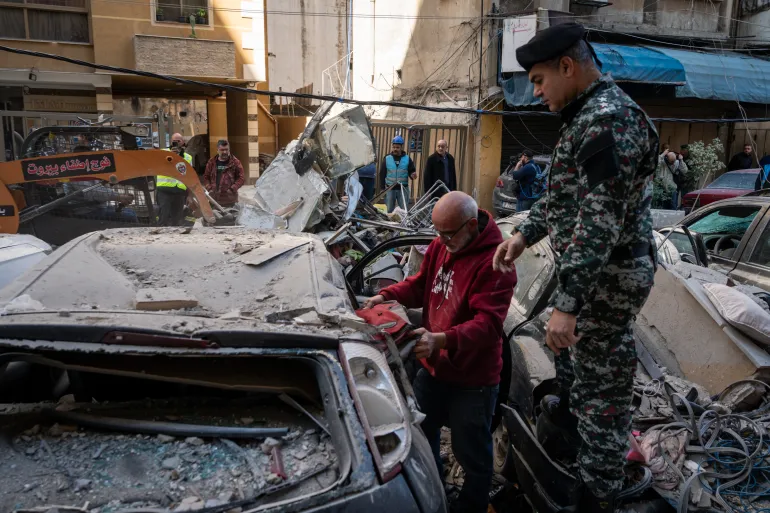
In recent developments that have grabbed global headlines, Iran has accused the United States and Israel of launching attacks on nearly 10,000 civilian sites inside its borders. This situation has escalated tension in the region, leaving many to wonder what it means for international relations and the everyday lives of people affected by such conflicts. Let’s break down the key details and explore the broader implications.
What Happened?
On March 11, 2026, Iranian officials released a statement claiming that military operations led by the US and Israel targeted infrastructure crucial to civilian life. The allegations stirred international concern, drawing swift attention from media and diplomatic circles worldwide. Here’s a closer look at the specifics:
- Iran accused these nations of violating international law and human rights by directing attacks at civilian infrastructure.
- While specifics on the exact nature of the sites remain vague, suspicions include damages to water facilities, housing areas, and transport links.
- Both the US and Israel have historically had tense relations with Iran, often resulting in diplomatic standoffs and military skirmishes.
Why is this relevant? Understanding the reasons behind such claims can shed light on the broader geopolitical dynamics at play. Let’s dive deeper.
Why Tensions Exist
The US, Israel, and Iran have been entangled in complex political and military conflicts for decades. But why? Here’s the lowdown:
- Historical Struggles: Tensions trace back to ideological differences, regional dominance ambitions, and past conflicts.
- Nuclear Concerns: Iran’s nuclear program has been a sticking point. The US and its allies frequently express concerns about potential nuclear proliferation.
- Alliances and Discord: Israel views Iran as a direct threat, particularly due to Iran’s support for anti-Israel militant groups.
This isn’t just a matter for politicians and diplomats. These underlying issues impact real people, like the young family wondering if they’ll have clean drinking water tomorrow. Or the high school students whose route to school is now obstructed.
Could This Lead to a Larger Conflict?
Whenever such accusations arise, the looming question is whether this points to a wider conflict. It’s a concern not just for those directly involved but also for the global community. To put it simply, when two powerful animals fight, they often mess up the entire forest—all the other creatures have to adapt to the new chaos.
Here’s why this might happen:
- Mutual Aggression: Both sides might escalate their military responses, spurring more confrontations.
- Third-party Involvement: Allies could get dragged into a more extensive conflict, increasing the stakes.
- Economic Ramifications: Conflicts often disrupt global markets, including oil prices, affecting economies worldwide.
But is war inevitable? Not necessarily—diplomatic talks, though challenging, could offer an exit route. History has shown that even the roughest patches can lead to peace talks if both sides choose dialogue over hostility.
The Human Side of the Story
It’s easy to look at these events purely in terms of politics and military might. Yet, the real story often lies in how these issues drastically affect ordinary lives—yours and mine. Imagine heading to work with the constant worry of a suspected air raid siren. Or having your sleep interrupted by loud blasts that may hit alarmingly close to home. For many Iranians, this isn’t just a news story—it’s their reality.
What’s essential here is empathy. As a global community, understanding the plight of those caught in geopolitical crossfires helps foster humanity. How can we help? Sometimes, awareness is the beginning. Sharing these narratives can educate others and pressure policymakers into considering human lives in their decisions.
Where Do We Go From Here?
So, what’s next for this troubled corner of the world? While the future is uncertain, constructive engagement remains crucial. Here’s how each party involved might approach solutions:
- Continued diplomatic discussions could provide a pathway to lowering tensions.
- International bodies might mediate to offer neutral perspectives and solutions.
- Engaged citizens can leverage platforms to voice peaceful resolutions.
In times of uncertainty, each of us has a role, however small, in shaping a more peaceful world. Whether that’s through informed voting, staying engaged with global news, or simply sharing human stories from these regions, every bit counts toward a more informed—and compassionate—world.
Overview
These shocking allegations serve as a reminder of how intertwined our world is today. Decisions made in one corner affect us all and highlight the need for diplomacy, understanding, and peace. After all, while war zones might seem distant, their repercussions ripple across borders and into everyday lives. Let’s keep the dialogue going and strive for a world that chooses conversation over conflict.






Add Comment