









Dubai’s real estate market continued its upward momentum in 2025, with significant price growth across both residential and commercial segments. Villas, office spaces, and retail properties emerged as the top performers, reflecting strong investor confidence and sustained economic expansion across the emirate.
According to data released by the Dubai Data and Statistics Establishment, the Residential and Commercial Real Estate Price Index recorded widespread growth across most asset classes, underlining the strength and maturity of Dubai’s property market.
Residential Market Driven by Villa Demand
Dubai’s residential sector recorded an overall price increase of 9.81% year-on-year, maintaining its growth trajectory despite expectations of moderation in select segments.
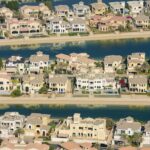
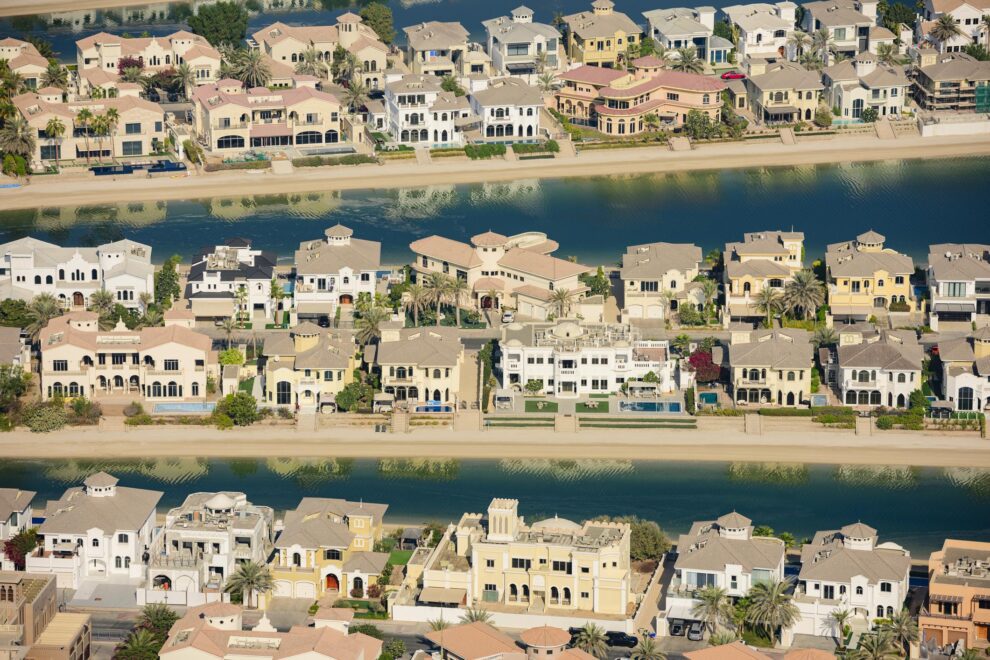
Villas led the market, with prices rising 14.83%, driven by increasing demand for larger homes, lifestyle communities, and family-oriented developments. This trend continues to reflect a shift in buyer preferences toward space, privacy, and integrated living environments.
Apartments also posted solid gains of 7.38%, supported by steady demand from both end-users and international investors. Dubai’s attractive rental yields, tax-friendly environment, and residency incentives remain key drivers behind this segment’s resilience.
Commercial Sector Gains Momentum
The commercial real estate segment recorded a 9.54% annual increase, with office spaces showing the strongest performance.
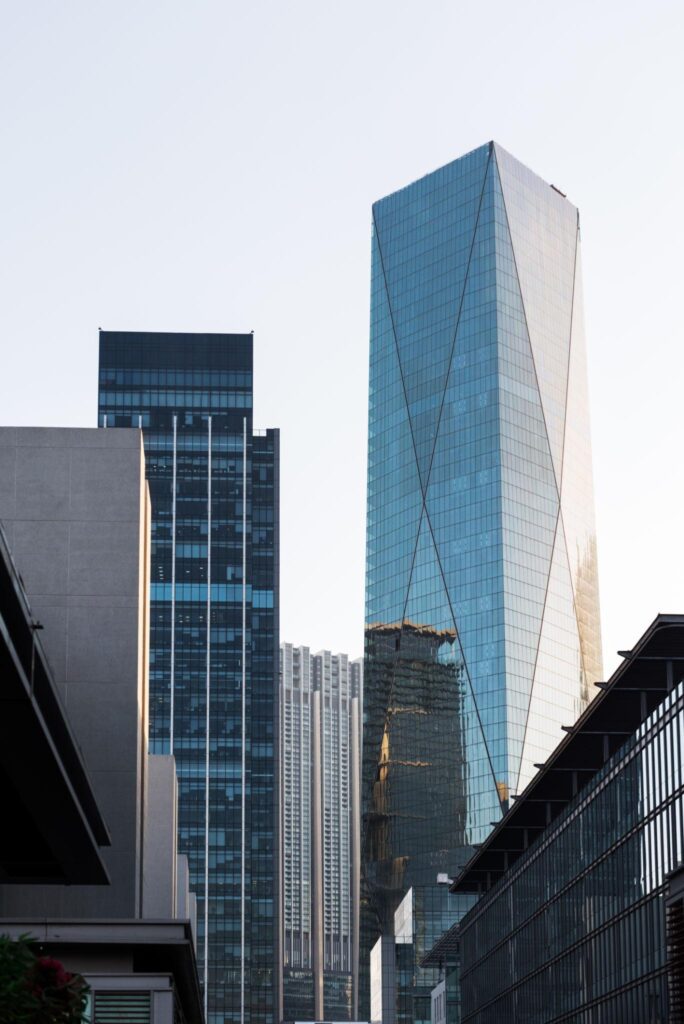
Office prices surged 15.86%, fueled by growing demand from multinational companies, financial institutions, and technology firms expanding their regional presence. Key business hubs such as Dubai International Financial Centre (DIFC), Business Bay, and Dubai Internet City continue to attract premium occupiers seeking Grade A office space.
Retail properties also performed strongly, registering an 11.52% increase, supported by rising tourism, increased consumer spending, and ongoing expansion in Dubai’s retail and hospitality sectors.
Hospitality Sector Shows Steady Growth
Dubai’s hospitality real estate sector recorded moderate yet stable growth in 2025, supported by strong tourism and business travel activity.
Overall hospitality prices rose 4.80%, with hotel apartments outperforming traditional hotel rooms. Serviced apartments grew 6.25%, driven by increasing demand for long-stay and flexible accommodation from business travelers and relocating professionals.
In comparison, hotel room rates saw a modest increase of 0.85%, indicating a stable but more mature segment.
Record Transactions and Long-Term Investment Shift
Data from the Dubai Land Department shows that total real estate transactions in 2025 exceeded AED 760 billion, marking one of the highest annual figures on record.
The market is also witnessing a structural shift toward long-term ownership. Investors are holding properties for extended periods, aligning Dubai more closely with mature global markets such as London and New York.
Data and Digital Governance Strengthen Market Confidence
Officials highlight that the growth of Dubai’s real estate sector is increasingly supported by advanced data systems and digital governance.
The evolving role of data has moved beyond monitoring, becoming a strategic tool that enables investors, businesses, and policymakers to make more informed decisions and anticipate market trends.
Outlook: Towards a More Balanced Market
While Dubai’s real estate market continues to benefit from strong fundamentals, including economic diversification, foreign investment inflows, and population growth, analysts expect a more balanced phase ahead.
This next cycle is likely to bring selective price stabilization in certain segments, while overall long-term growth remains supported by the emirate’s expanding economy and global investor appeal.




Add Comment