














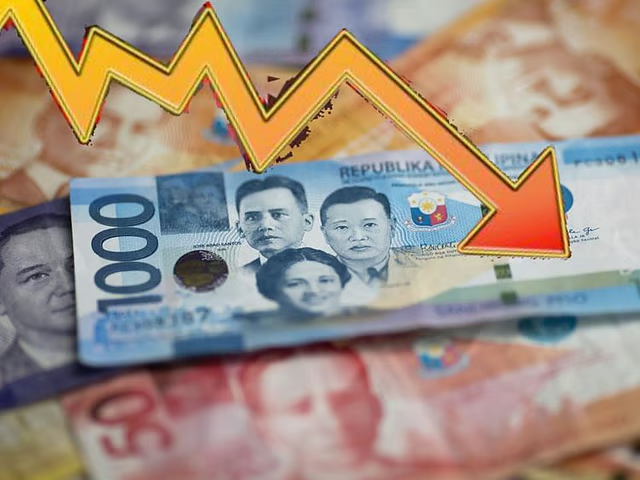
The philippine peso has recently breached the P64-per-US dollar level amidst rising oil prices and surging inflation. However, an independent Filipino economist has stated that the philippine peso is weak because the economy is weak, criticising recent appeals from the leadership. Also, Sonny Africa, an executive director of a prominent think tank, argued that the administration must take a deep look at falling currency values. Furthermore, reports indicate that officials should stop blaming geopolitical pressures alone for the status of the philippine peso as a struggling currency.
Assessing Economic Realities And Currency Pressures
Meanwhile, the nation’s leader maintained that foreign exchange reserves remain healthy enough to defend the local currency. In addition, the administration blamed broader price pressures on supply-side factors and energy disruptions due to ongoing conflicts. However, experts noted that such assurances are failing to calm the public as the country grapples with a high annual inflation rate. For example, technocrats within the government have also voiced concerns regarding the current financial climate.
Energy Costs And Regulatory Challenges
Consequently, the energy secretary warned that a weakened philippine peso is driving up the cost of imported coal and diesel. Also, the nation depends heavily on these imports for electricity generation, creating immense pressure on household utility bills. As a result, officials plan to meet with regulators to find ways to cushion the impact of market volatility. Meanwhile, ordinary citizens are feeling the direct burden of these rising costs on their monthly living expenses.
Public Impact And Trade Imbalances
In addition, household electricity bills have risen sharply across many communities, straining retired workers and families. For instance, recent tariff approvals for major distribution companies like Meralco have added to the financial distress. However, analysts argue that structural trade imbalances are the true root cause of the crisis affecting the philippine peso. Meanwhile, you can read more analysis on regional markets by visiting business news updates for further context.
Addressing Structural Deficiencies Long Term
Furthermore, critics suggest that long-term neglect of domestic agriculture has left the country dependent on massive food imports. However, remittances from overseas workers continue to provide a vital lifeline for the national economy. Also, experts recommend allocating more resources toward rural development and national industrialisation to reduce import dependence. Finally, for official updates on regional affairs, please visit the Bangko Sentral ng Pilipinas to review official monetary data and reports.







Add Comment