















Next wave of artificial intelligence expected to transform industries from energy and logistics to urban infrastructure
Dubai: As artificial intelligence continues to evolve beyond software applications, experts say the next technological transformation will come from what is increasingly referred to as “physical AI” — machines and robots capable of interacting with and responding to the physical world.
Technology analysts note that while the past decade has been dominated by digital AI systems used in data processing, automation, and analytics, the coming phase will see intelligent machines operating in real-world environments. For Gulf countries investing heavily in smart cities, automation, and advanced infrastructure, this shift could present both opportunities and challenges.
What Is Physical AI?
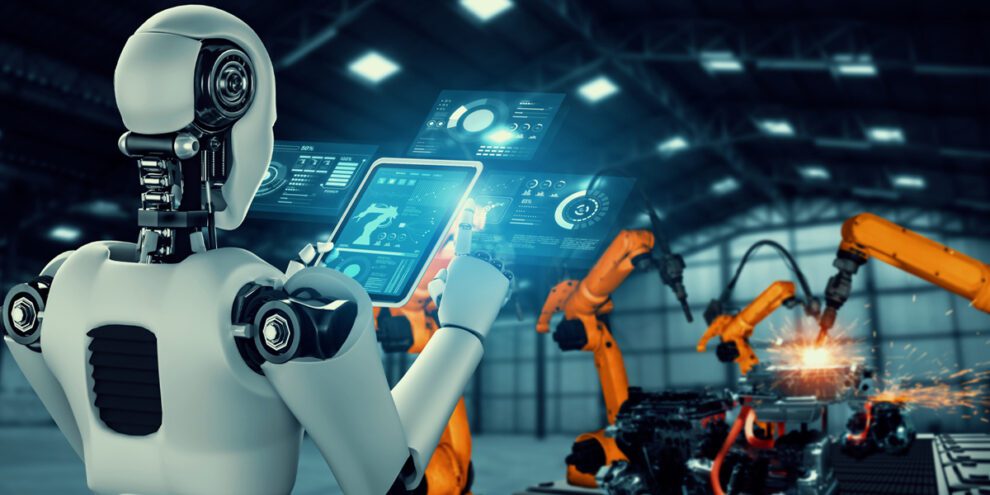
Physical AI refers to intelligent machines that combine advanced artificial intelligence with robotics and real-world sensing capabilities. Unlike traditional AI systems that operate within software environments, physical AI systems are designed to perform tasks in the physical world. These systems can analyse their surroundings, make decisions, and execute actions in real time.
Examples include autonomous vehicles, warehouse robots, industrial automation systems, and service robots capable of performing complex tasks with minimal human intervention.
Strategic Importance for the Gulf Region
Gulf economies have increasingly positioned themselves as global innovation hubs, investing heavily in digital transformation, smart infrastructure, and emerging technologies. From the development of smart cities to the automation of energy infrastructure, the region is already integrating advanced technologies into its economic strategy.
Experts say physical AI could play a major role in sectors such as:
• Energy and oil operations, where autonomous systems could perform inspections and maintenance in hazardous environments
• Smart city infrastructure, including traffic management, security monitoring, and urban planning
• Logistics and transportation, where automated systems could optimise supply chains and warehouse operations
• Healthcare, through robotic surgery and automated diagnostics systems
Building the Foundations for an AI-Driven Future
Industry observers say governments and regional leaders will need to take several steps to prepare for the growing role of physical AI.
Investing in Education and Skills
Preparing the workforce for the next generation of technology will be critical. Expanding AI-focused education, robotics engineering programmes, and digital skills training can help ensure a future-ready workforce.
Strengthening Research and Development
Encouraging research and innovation through universities, technology hubs, and startup ecosystems could accelerate the development of AI solutions tailored to regional needs.
Encouraging International Collaboration
Strategic partnerships with global technology firms, research institutions, and innovation centres could help Gulf countries accelerate knowledge transfer and technological development.
Establishing Clear Regulatory Frameworks
With the rise of autonomous systems, policymakers will also need to develop regulatory frameworks that address safety, ethics, and responsible AI deployment.
Clear governance models could help balance innovation with public trust.
Human-Centred AI Development
Despite rapid technological advancement, experts stress that the goal of AI development is not to replace humans but to enhance human capabilities.
Physical AI systems are expected to perform tasks that are repetitive, dangerous, or highly complex, allowing human workers to focus on strategic and creative roles.
Applications such as robotic maintenance in hazardous environments, automated health monitoring, and intelligent infrastructure management could significantly improve safety and efficiency across industries.
Outlook for the Region
The Gulf region’s ambitious digital transformation agendas, including national AI strategies and smart city initiatives, position it well to adopt and develop physical AI technologies.
Countries such as the UAE and Saudi Arabia have already launched national AI programmes aimed at strengthening technological leadership and building knowledge-based economies.As the global technology landscape continues to evolve, analysts say early preparation and strategic investment could enable Gulf economies to become not only adopters but also innovators in the next phase of artificial intelligence.





Add Comment